



India's No.1 AAC Brick Making Machinery Manufacturers
AAC Machinery
AAC Block Making Machinery
18+ Years of Experience in Manufacturing AAC Block making machine
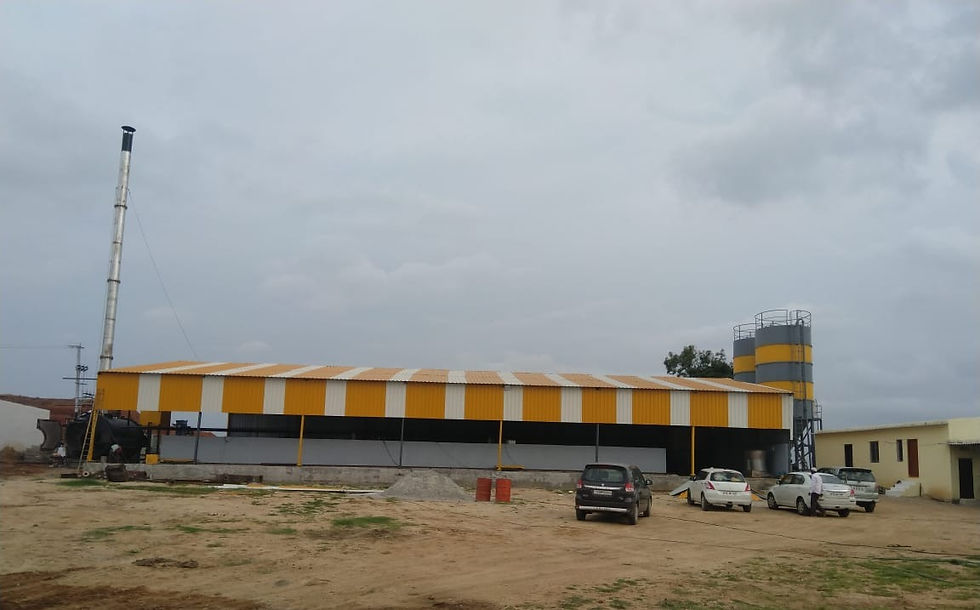
Microlite Technologies is one of the best Autoclaved Aerated Concrete (AAC) blocks making machinery manufacturers. Here we manufacture and deliver to our clients. We already delivered 15+ AAC block making machinery to 15 AAC plants all over South India and still we are delivering more.
The outcome of AAC blocks from our machinery is good quality and the control panel in the machine will give you accurate measurements of the raw materials to use and will provide quality blocks.

AAC block making machinery consists of
-
Auto Clave
-
Boiler
-
Chimney
-
Silo for Fly Ash with blower, Cement & Lime
-
Primary Mixer
-
Recycling Mixer
-
Slurry Pump
-
Blender
-
Mould Lifter
-
Wire Cutting Machine (3D Cutting)
-
Control Panel
-
Slave Trolleys
-
Mold Boxes and other required and optional components.
Autoclaved Aerated Concrete (AAC) blocks are lightweight concrete blocks. AAC blocks are precast, lightweight, foam concrete blocks can be used in both exterior and interior constructions. AAC provides structure, insulation, and fire and mold resistance at the same time. Autoclaved Aerated Concrete blocks are made up of quartz sand, calcined gypsum, lime, cement, water, and aluminum powder, the AAC products are cured in an autoclave under heat and pressure.

AAC Blocks
Cement
Fly Ash
Aluminum Powder
Lime
Gypsum
Technology
AAC blocks are made up of cement, lime, fly ash, gypsum, aluminum powder, waste wood, and water. We need to use all of these techniques to prepare the quality AAC blocks, Microlite Technologies AAC brick making machinery is the best option for you to get the quality and standard materials.
Description of the Technological flow:
-
Treatment and storage of Raw Materials.
-
FLY ASH will be brought by bulkers and pumped into silo in the batching plant.
-
Burnt lime/Quick Lime: Ground burnt lime in jumbo bags is carried into the plant and is pumped into the lime silo in the material batching and mixing building.
-
Cement: Cement is carried into the plant by the trucks and is dropped into the cement silo in the material batching and mixing building.
-
Gypsum: Gypsum powder is carried into the plant by trucks and stocked in the yard. The gypsum is fed in to slurry mixer in the batching and mixing building and mixed along with Fly ash to from slurry.
-
Aluminum Powder: Purchased aluminum powder packed in bags/drums is carried into the plant by truck and is stored. The aluminum powder for production is lifted to the third floor in batching and mixing plant by the electric hoist. After weighing by the electric scales, it will fed to the mixture.
-
Waste Mortar: The left over bits and pieces cut from the cutting line are flushed along the slope chute into the mortar pond to be mixed again to a certain concentration (density) by adding water and then pumped into the storage tank for use by the slurry pump.
-
-
Batching, Mixing and Pouring
-
The burnt lime and cement are fed respectively by the screwed-pipe feeders under the silos to the electronic powder scales. After weighing by the scales, they are fed to the mixer by the feeding device under the scale.
-
The mortar is pumped into the transition tank in the material batching and mixing building from the storage tank and after weighing by the scale is put into the pouring mixer.
-
The aluminum powder is put into the aluminum powder scale and into the aluminum powder mixer after weighing. After through mixing with water, slurry is put into the pouring mixer.
-
The feeding order of various kinds of raw materials as follows: first feed mortar and add the required water, then add cement and lime powder, finally add aluminum powder suspension.
-
After feeding all the materials in the high speed mixer, the materials are thoroughly mixed for 2 to 3 minutes to achieve homogeneous concrete slurry while mixing the mixer will be moved by a crane to the respective mould to be casted. The concrete.
-
slurry, is then unloaded into the moulds through a distributor (pour) by lowering the gate in the bottom of the mixer . After unloading the entire quantity of concrete slurry, then gate will be closed and mixer will go back to its original prefixed position to take the next batch of materials.
-
In the floor of the batching and mixing building there will be a central control room equipped with PLC and Central computer processor along with the display screens, which can control batching of raw materials, feeding and mixing thus making the entire batching & mixing process automatic.
-
-
The Resting cutting & Grouping
-
The moulds pouring are kept in the resting position, to rest for initial curing at the temperature of about 50 C for about 2.5 hours.
-
After the cut strength is reached mould frame will be lifted up with crane, the cakes with bottom of mould are moved by handling Crane where it will be lifted up and placed over by the tilting table and then after lifting it will be shifted onto the cutting plate of cutting line. Green block on the cutting plate is then cut horizontally and vertically to the required sizes by the cutting machine.
-
The green block after cutting is shifted to tilting table in a vertical position and tilted to horizontal position immediately to avoid sticking of green blocks, then the green block on the curing frame in horizontal position will be shifted from tilting table to respective station and grouped in two layers by the crane with hosting frame. The grouped curing frames will be moved through handling crane into the Autoclave through push and pull system on transfer car.
-
-
Autoclaving and Finished Products
-
After positioning the cakes in the autoclave properly, door of autoclave is closed properly and checked for safety before opening the steam valves. The steam will be continuously fed into the autoclaves and controlled to achieve the targeted temperature profile. After the cycle is completed the autoclave door is opened.
-
The green block are autoclaved for 10-12 hours under a constant pressure of 1.3 MP and after 1.5 hours of stooping the supply steam, the door will be opened after emptying unabsorbed steam by vacuum pump. Autoclaved products are drawn out of the autoclave through push & pull system on transfer car, then hoisted by the handling crane to the prefixed station of the curing frames. Then curing frames will be shifted to stocking yard for unloading of blocks through Fork Lifts. The curing frames will be cleaned and oiled manually after unloading of blocks and shifted back to the plant for circulation.
-
After few days of drying of blocks, the end products are loaded into trucks for dispatch.
Advantages of AAC Blocks
-
AAC blocks are lightweight and offer ultimate workability, flexibility, and durability.
-
AAC blocks can be used in both interior and exterior constructions.
-
Due to its low density, high-rise buildings built using AAC require less steel and concrete for structural construction.
-
AAC blocks are easy to install because the material available in standard size or cut to size in the site using standard power tools.
-
Improved thermal efficiency reduces the heating and cooling load in buildings and also gives superior fire resistance.
-
The material life will be extended because it isn't affected by harsh climates or extreme changes in weather. It will not degrade under normal climate changes.
CONTACT US
OFFICE:
D.No. MIG-1,A-159, BHPV Quarters, Sujatha Nagar, Pendurthi, Visakhapatnam - 531173.
Andhra Pradesh
+91 8332039219
microliteoffice@gmail.com


